
Choosing a guitar can be harder than it looks. Acoustic or electric, body style, brand, price can all make a real difference. What feels comfortable to one player may feel completely wrong to another, and even a good guitar can be frustrating if it has setup problems.
That’s why choosing the right guitar is only the first part. Once you have it, a proper setup helps it play and stay in tune the way it should.
How to choose the right guitar, what to look for before you buy, how to set it up once you bring it home, and how to protect it – that’s what this guide is about.
Quick Navigation
How to Choose a Guitar
Two guitars can look almost the same and feel completely different in your hands. Body size, neck shape, string tension, setup, frets, and even the tuners can make the difference between a guitar that feels easy to play and one that becomes frustrating very quickly.
Here are the things that actually matter when choosing a guitar.
Type of Guitar
The first factor to consider is the type of guitar that suits your playing style. There are various types of guitars, such as acoustic, classical, and electric guitars.
If you’re a complete beginner and don’t have a strong preference yet, a classical guitar or a smaller acoustic can be a great place to start. You don’t need an amp, they’re simple to pick up and play, and nylon strings on a classical guitar are easier on the fingers.
If you already know you want to play rock or other electric styles, starting on an electric guitar also makes sense.
Brand and Budget
The brand and budget of the guitar are crucial factors to consider. Go for a guitar from a reputable brand. Good brands are usually reliable because they have a reputation for making decent to excellent instruments. They also tend to offer better warranties and customer service, plus it’s easier to find parts if you need them. A well-known brand guitar will also hold its value, so you can sell it for a good price later on.
Your budget will determine the quality of the guitar you can purchase. As a beginner, we recommend investing in a decent-quality guitar that will serve you well for a while. You don’t want to purchase a cheap guitar that will frustrate your playing experience or require constant repairs.
Guitar Construction
The body style of the guitar affects the sound and comfort of playing. There are various guitar body styles such as the Dreadnought, Jumbo, and Grand Auditorium for acoustic guitars and Stratocaster, Les Paul, and Telecaster for electric guitars. Each body style offers a different tone and playing experience, and it’s essential to choose a body style that suits your preferences.
Check that the guitar is well-made with all parts securely attached. This is key for good sound and tuning. Make sure things like switches, knobs, and jacks on an electric guitar don’t make noise. If they do, see if it can be fixed. Sometimes, moving them back and forth or switching them a few times helps.
Guitar Neck
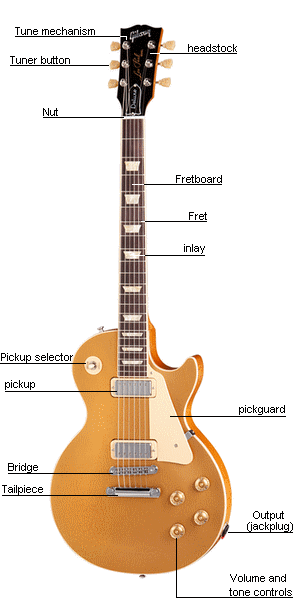
The neck and frets of the guitar also play a significant role in the playing experience. It’s important to choose a guitar with a comfortable neck that fits your hand size.
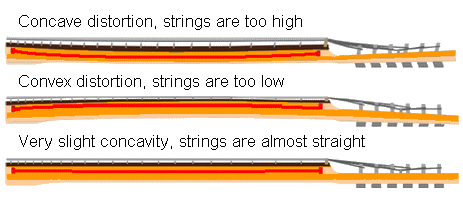
Look down the neck and check that it isn’t warped or twisted. A slight natural curve is normal, but a visibly deformed neck is a different matter and should be checked by a guitar tech. Even a small twist can cause fret buzz, uneven action, and tuning problems.
Most electric guitars have an adjustable truss rod inside the neck to fix any bending. Many high-quality acoustic guitars have this feature too.
Frets
The number of frets also affects the range of notes you can play.
Play along the frets to check for unwanted vibration. When pressing a note, the string shouldn’t cause other frets to resonate. A little fret buzz may be fixed with a normal setup, but heavy buzzing in several places can point to uneven frets or a neck problem.
Check the intonation by comparing an open string with the note at the 12th fret. The 12th-fret note should be exactly one octave higher. If it sounds sharp or flat, the guitar may need an intonation adjustment.
Machine Heads
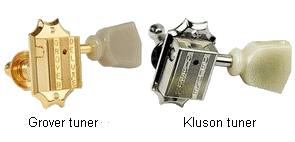
An essential guitar component, tuners should operate smoothly but with some resistance. The tuners should turn smoothly and hold the strings in tune. Watch for tuners that slip, feel unusually loose, or have a lot of play before the string starts moving. Keep in mind that bad string winding can also cause tuning problems, so the tuners aren’t always to blame.
Check the mechanism’s quality by observing if the strings maintain tension or slacken. If the guitar is fine otherwise, consider replacing the tuners with high-quality ones, such as Grover or Kluson, which come in metal housings.
Guitar Pickups
When buying an electric guitar, pay attention to the pickups. Pickups are responsible for converting the guitar’s vibrations into an electrical signal, while controls allow you to adjust the guitar’s tone and volume.
Set-Up and Maintenance
After purchasing your guitar, it’s important to set it up correctly for optimal playing experience. The setup includes adjusting the guitar’s neck, bridge, and truss rod to ensure the guitar is in tune and easy to play. Regular maintenance is also necessary to keep your guitar in good condition.
Adjusting the Bridge
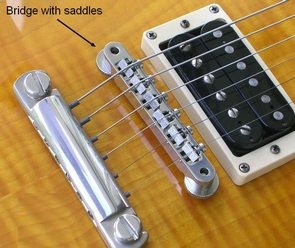
Most electric guitars let you adjust both string height and intonation at the bridge, although the exact system depends on the guitar. On many bridges, each saddle can be moved forward or backward to change the effective length of the string.
If the guitar is in tune on the open strings but sounds out of tune higher up the neck, the intonation may need adjustment.
Many models have a bridge that allows you to adjust each string separately. In that case, the bridge consists of six individual pieces which you can adjust higher or lower and move forward or backward by adjusting screws.
If the bridge shifts from its position as the strings stretch, it may cause tuning issues. If your guitar sounds perfect in open E but out of tune with a barre chord in the middle of the neck, you need to adjust the string length using the bridge. Turning the screw of a particular saddle moves it forward or backward, allowing you to correct any intonation issues.
Adjusting the Neck
The truss rod is a metal rod inside the neck that lets you adjust the amount of neck relief. You can adjust this torque with a screwdriver or hex key. Most guitars feature access to the truss rod at the headstock, covered by a plate. However, on some models, including many Fenders, the adjustment point is on the opposite end, where the neck joins the body.
Important: Never tighten the truss rod’s adjustment nut more than a quarter turn at a time. Allow a few hours for the neck to adapt because the wood needs time to settle. Adjustments should be made with the strings under tension.
On most guitars, turning the truss rod clockwise reduces forward bow, while turning it counterclockwise adds more relief. Make small adjustments and check the neck again before turning it further. If the nut feels stuck or you aren’t sure what you’re doing, stop and take the guitar to a tech.
Breaking Strings
Common reasons include:
- The strings are old and have lost their elasticity.
- The strings were not properly installed.
Ensure there are no kinks when installing new strings, as any small bump weakens the string, making it more likely to break.
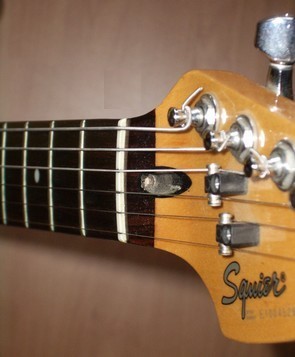
If strings keep breaking in the same place, check the nut, saddles, and bridge for a sharp edge or burr. That is often the real cause.
If any are found, gently sand them down with fine sandpaper until smooth.
Protection
Slight, gradual changes in weather won’t harm your guitar, but sudden shifts in temperature and humidity can damage the delicate woods it’s made from. Woods like rosewood, maple, cedar, and mahogany are chosen for their resonant qualities and strength but are susceptible to humidity.
A guitar is a balance of counteracting tensions. If parts expand or contract due to temperature changes at different rates, it can lead to problems. Excessive humidity can cause wood to swell and glued parts to come loose, while extreme dryness or heat can lead to shrinking or cracking.
Guitars leave the factory relatively dry, as the manufacturing environment controls temperature and humidity. For most wooden guitars, around 45-55% relative humidity is a good target. Too little moisture can cause the wood to shrink and crack, while too much can make it swell and affect glue joints, action, and intonation.
If the air is too dry, use a guitar humidifier made for the job. A small digital hygrometer is also useful because it tells you what the humidity actually is instead of making you guess.
Never place your guitar near heat sources. When moving from cold to warm environments, let your guitar acclimatize gradually in its case.
Cleaning
Wipe the guitar down with a soft cloth after playing, especially the strings and metal hardware. Sweat and dirt can shorten string life and cause metal parts to corrode.
Before using polish, oil, or fretboard cleaner, make sure it is safe for your guitar’s finish. Not every product is suitable for every finish or fretboard.
Guitar Cases
A gig bag is fine for light everyday use, but a hard case gives much better protection when the guitar is being transported. For an expensive instrument, choose a sturdy plywood, molded, or fiberglass case that fits the guitar properly.
The guitar should sit snugly without being squeezed, and the neck should be well supported so the headstock can’t whip backward if the case is dropped.
Protecting Your Guitar
If your guitar is valuable, take clear photos of it and save the serial number, receipt, and any appraisal somewhere separate from the instrument. These details can make a huge difference if the guitar is ever lost or stolen.
For expensive or collectible guitars, check whether your regular home insurance actually covers the full value of the instrument. If not, separate instrument insurance may be worth considering.
In case of loss or theft, the advice above is crucial. While good insurance is important, getting your guitar back, especially if unique, is preferable.
The best guitar for you doesn’t have to be the most expensive one in the store. It should feel comfortable, stay in tune, and make you want to pick it up again.